

Cloudspeech blog
RESOURCES FOR TEXAS FAMILIES NAVIGATING SPEECH THERAPY
Resources for Families, From a Speech Specialist
Practical guidance on childhood apraxia of speech, speech sound disorders, and getting the most out of your child's therapy.
Whether you're trying to understand your child's diagnosis, figure out how to use your insurance benefits, or wondering if your child needs more intensive support — you're in the right place. These posts are written for Texas families navigating speech therapy, by a specialist who works with kids like yours every day.

Is your child getting enough speech therapy at school? What every parent should know before the school year starts
Nearly half of all school districts are struggling to fill speech therapist positions. Here's what the national shortage really means for your child's services — and what options exist beyond the school setting.

How Long Does R Therapy Take? What the Timeline Really Depends On
Your child has been in R therapy. You've been hopeful before. Here's what actually determines how long R therapy takes — and what finally makes the difference.

How Often Should My Child Have Speech Therapy? What the Research Says About Frequency
If your child is in speech therapy once a week and progress feels slow, you're not imagining it. The research on frequency is clearer than the once-a-week default suggests.

Could My Child Have Apraxia? Signs of CAS That Get Missed in Older Kids
CAS is well-known in toddlers but often missed in older kids — sometimes labeled as a language delay or articulation issue. Here's what to watch for, and why the right diagnosis matters.

Why Your Child Might Still Be Stuck on R
R is one of the trickiest speech sounds to treat. If your child has been working on R for a while without real progress, here's what often makes the difference.
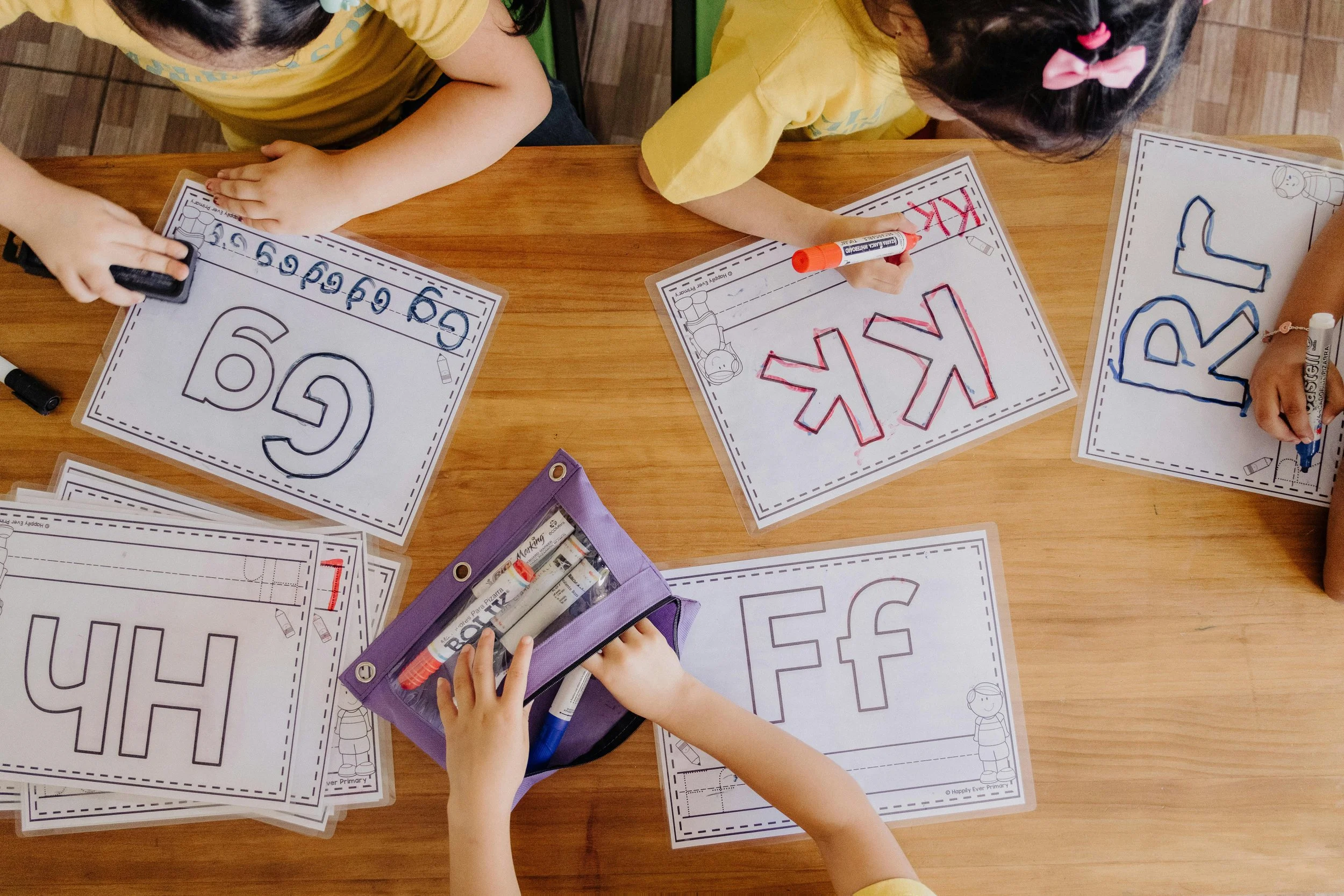
My Child Is Still Struggling With Speech at Age 5 — Should I Be Worried?
Maybe your 5-year-old still mispronounces /R/ or has trouble with /S/. Maybe it's bigger than that. Family says "she'll grow out of it." Pediatrician says "let's wait and see." Should you? Here's what the most recent research actually says.
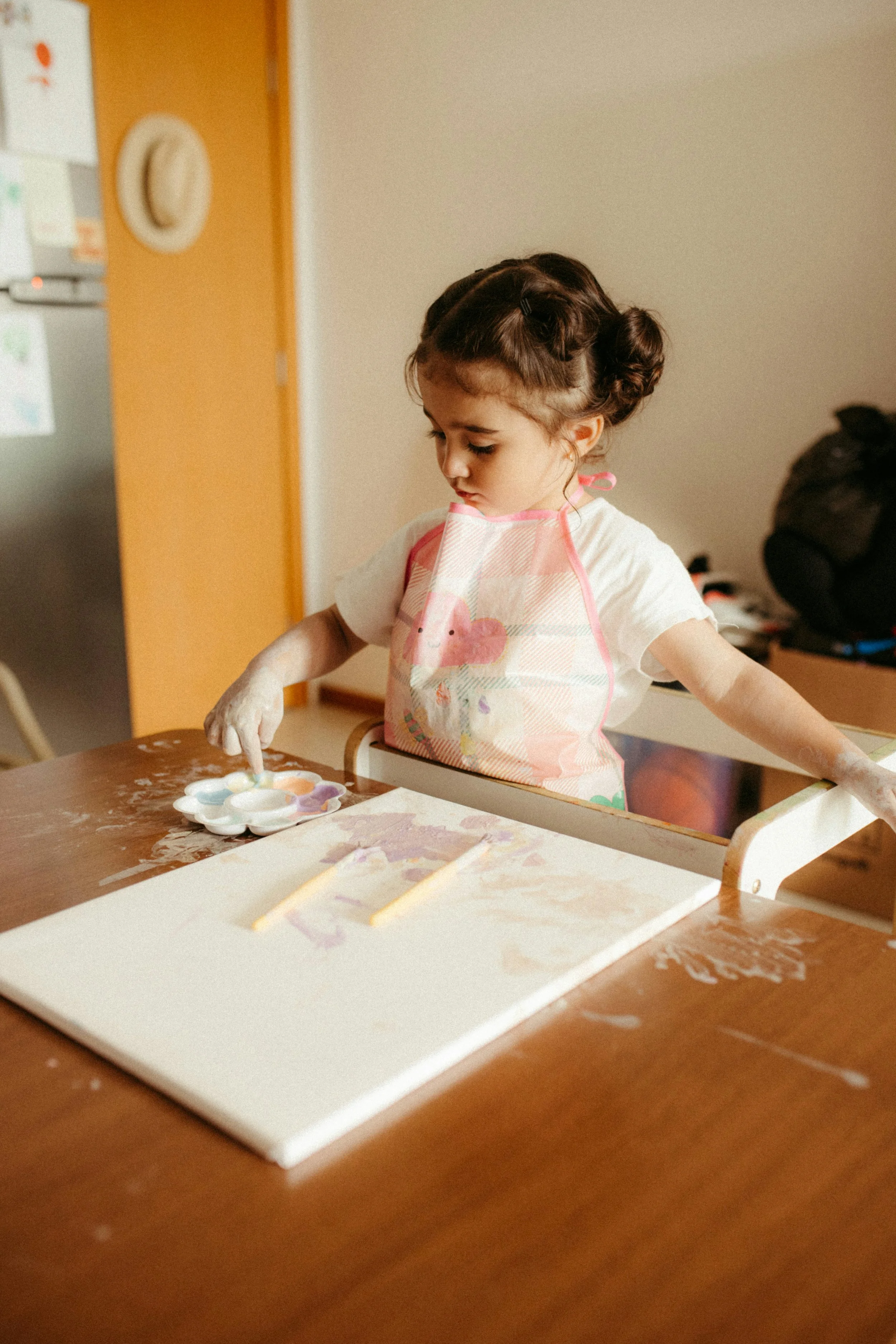
Before Kindergarten Starts — What New Research Tells Us About Speech Sound Disorders and Your Child's Social World
New 2026 research shows that the social consequences of speech sound disorders begin in preschool — earlier than most families realize. A Texas SLP explains what this means for kindergarten readiness, why waiting isn't always the right call, and what parents can do this summer.

Phonological Disorders in Children: What's Normal, What's Not, and Why Kindergarten Is the Turning Point
Young children simplify speech sounds — and that's completely normal. But some patterns should be gone by the time a child starts kindergarten. A Texas SLP explains the norms, the reading connection, and why waiting isn't always the right call.
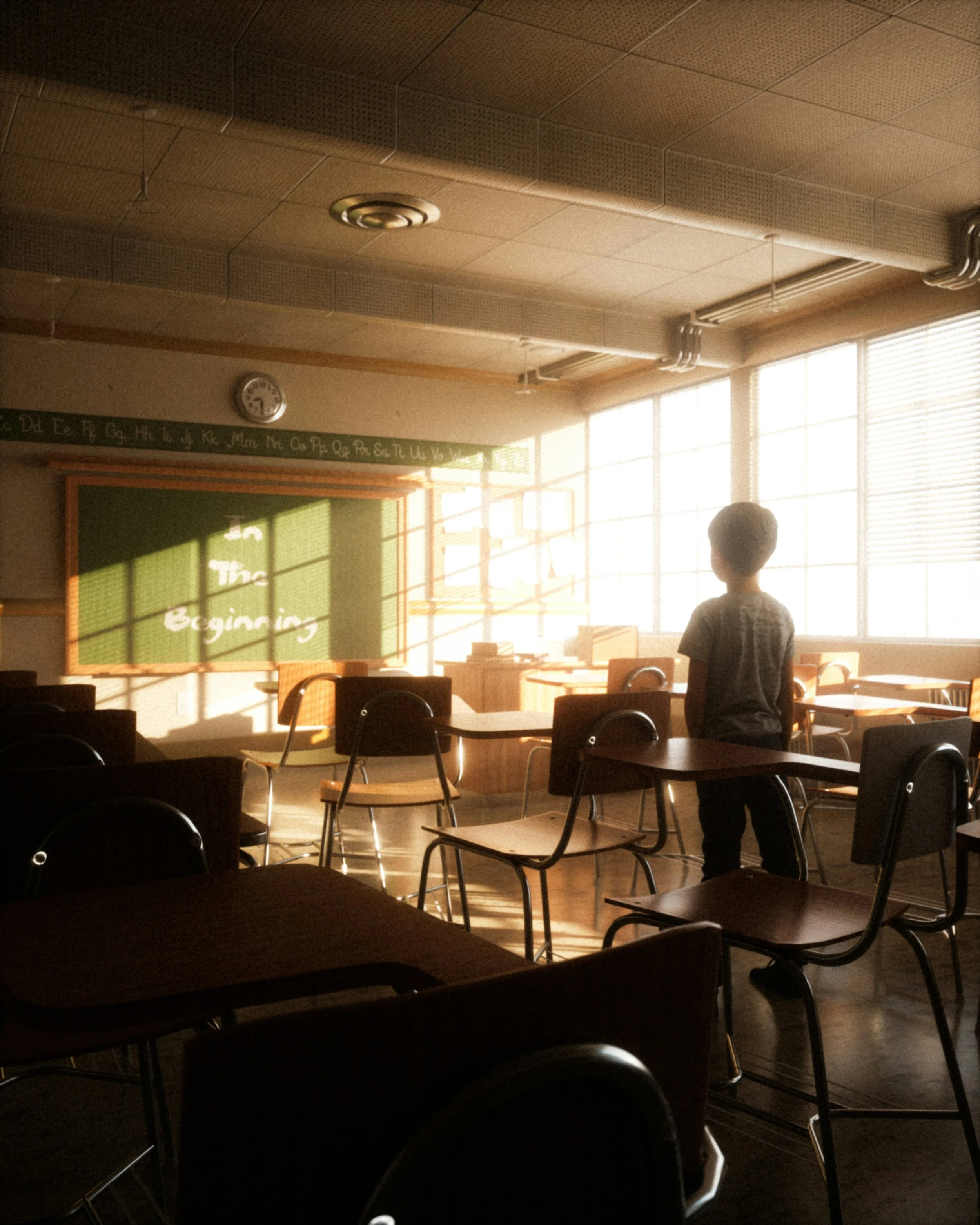
My Child Is Already Getting School Speech Therapy for R. Why Isn't It Working?
If your child has been in school speech therapy for R for years without meaningful progress, it's not your child's fault — and it's probably not the SLP's fault either. Here's what R therapy actually requires, and why the school model often can't deliver it.
Will My Child Grow Out of Their R Problem?
Many families assume R errors will resolve on their own — but current research places R acquisition at ages 5 to 6, not 8 or 9. Here's what the evidence says about when waiting becomes a risk.

My Child Can't Say R. Should We Just Wait?
Many families are told to wait on R therapy — but current research places R acquisition at age 5 to 6, not 8 or 9. Here's what the evidence says, and what I learned from my first R client about the real cost of waiting.