Mr. Rogers Already Knew: Why the Screen Was Never the Problem
When Fred Rogers walked onto a television set for the first time, a lot of people thought he was making a mistake.
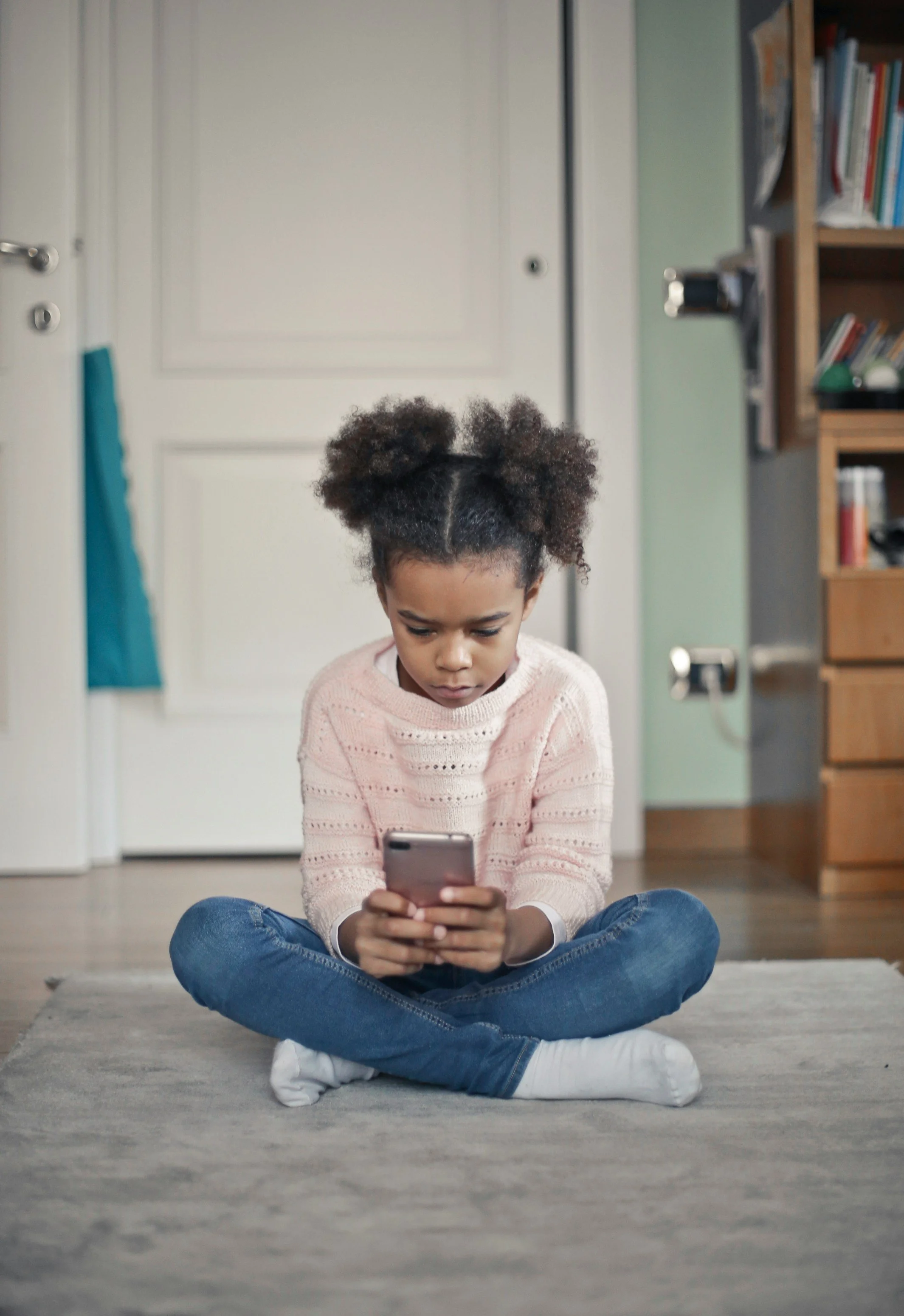
Television was still a new concept for many families. It was getting louder. It was getting faster. It was passive. Critics worried it would rot children's minds, shorten their attention spans, and replace the warmth of real human connection with something cold and flickering.
Mr. Rogers looked at all of that and came to a different conclusion.
He didn't fight the screen. He walked through it.
He understood something that most people were missing: the television was not going away. Children were already sitting in front of it. The question wasn't whether the screen would be part of their lives — it was what would come through it.
So he created something slow. Something warm. Something that spoke directly to children about feelings, and curiosity, and being exactly who they were.
He met children where the world had put them — in front of a screen — and he turned that screen into a neighborhood.
The Fred Rogers Institute continues his legacy today, advancing research, education, and resources for the caring adults in children's lives — including a body of work on digital wellness and how technology can be used to support rather than replace genuine human connection.
That distinction matters to me deeply.
Why I've Always Thought About Mr. Rogers
When I started planning CloudSpeech in 2018, I had a lot of concerns about screens.
I'm an organic food, barefoot-on-the-beach, wash-your-face-with-coconut-oil kind of person. I garden. I cook everything from scratch. I limit technology in my own life deliberately.
And I was sitting there trying to build a speech therapy practice delivered entirely through a screen.
The contradiction was not lost on me.
I kept coming back to Mr. Rogers.
He didn't choose television because he loved television. He chose it because children were already there — and he had something real to offer them through it.
That's exactly how I thought about teletherapy.
Not as a screen-first solution. As a way to reach children who needed a specialist and couldn't get to one — or couldn't get there often enough to make real progress.
The screen was never the point. The connection was the point. The therapy was the point. The screen was just how we got there.
Then COVID Happened
I want to be honest about something.
When I began building CloudSpeech in 2018, I thought I was building something niche. A small, specialized teletherapy practice for Texas families who were ready to think differently about how therapy could work.
I did not anticipate what was coming.
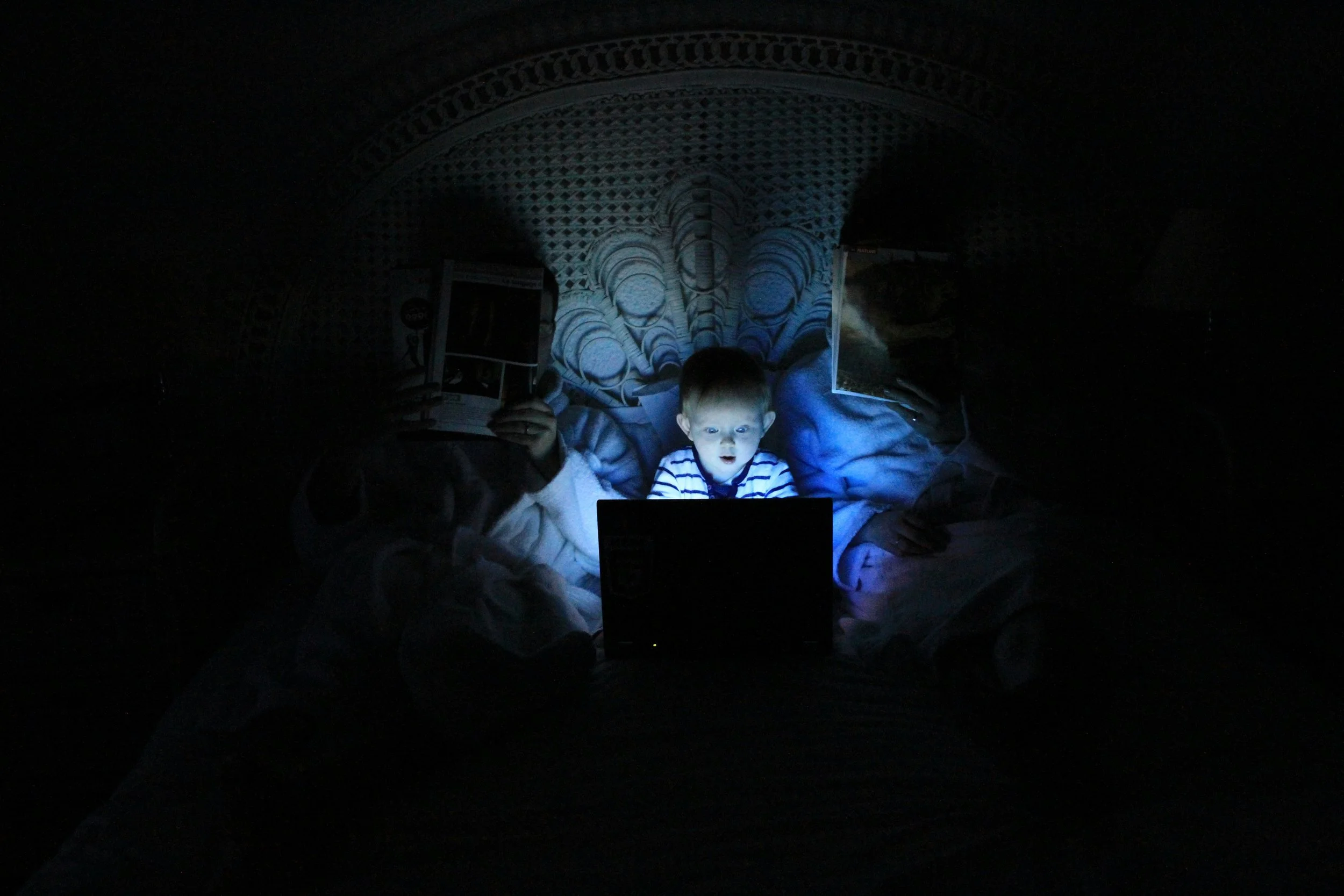
When COVID hit in 2020, screen time didn't increase slightly. It increased by orders of magnitude — overnight. Children who had never done a video call were suddenly attending school through a screen. Families who had been skeptical of telehealth were suddenly receiving every medical appointment virtually.
The world I had been quietly building toward arrived all at once.
And something interesting happened.
Families discovered that some things — maybe more things than they expected — actually worked through a screen.
Not everything. Not for everyone. But more than people thought.
What We Kept After COVID
The pandemic ended. The emergency passed. And a lot of things went back to the way they were.
But not everything.
What remained was a more honest conversation about what technology can and cannot do — and how to use it intentionally.
The families I work with now are not choosing teletherapy because they have no other option. They're choosing it because they've thought carefully about their child's schedule, their family's rhythm, and what actually produces results.
And I've watched technology do the same thing in my own practice.
I use AI tools to handle marketing tasks and clinical documentation that used to take me hours every week. That time doesn't go back into a screen. It goes into a morning yoga practice. Into dinner with people I love. Into being present in a way that I genuinely wasn't when I was buried in paperwork at 9pm.
The screen freed me from the screen.
That's what intentional technology use looks like. And it's exactly what I want for the families I serve.
What Teletherapy Actually Looks Like in Real Families
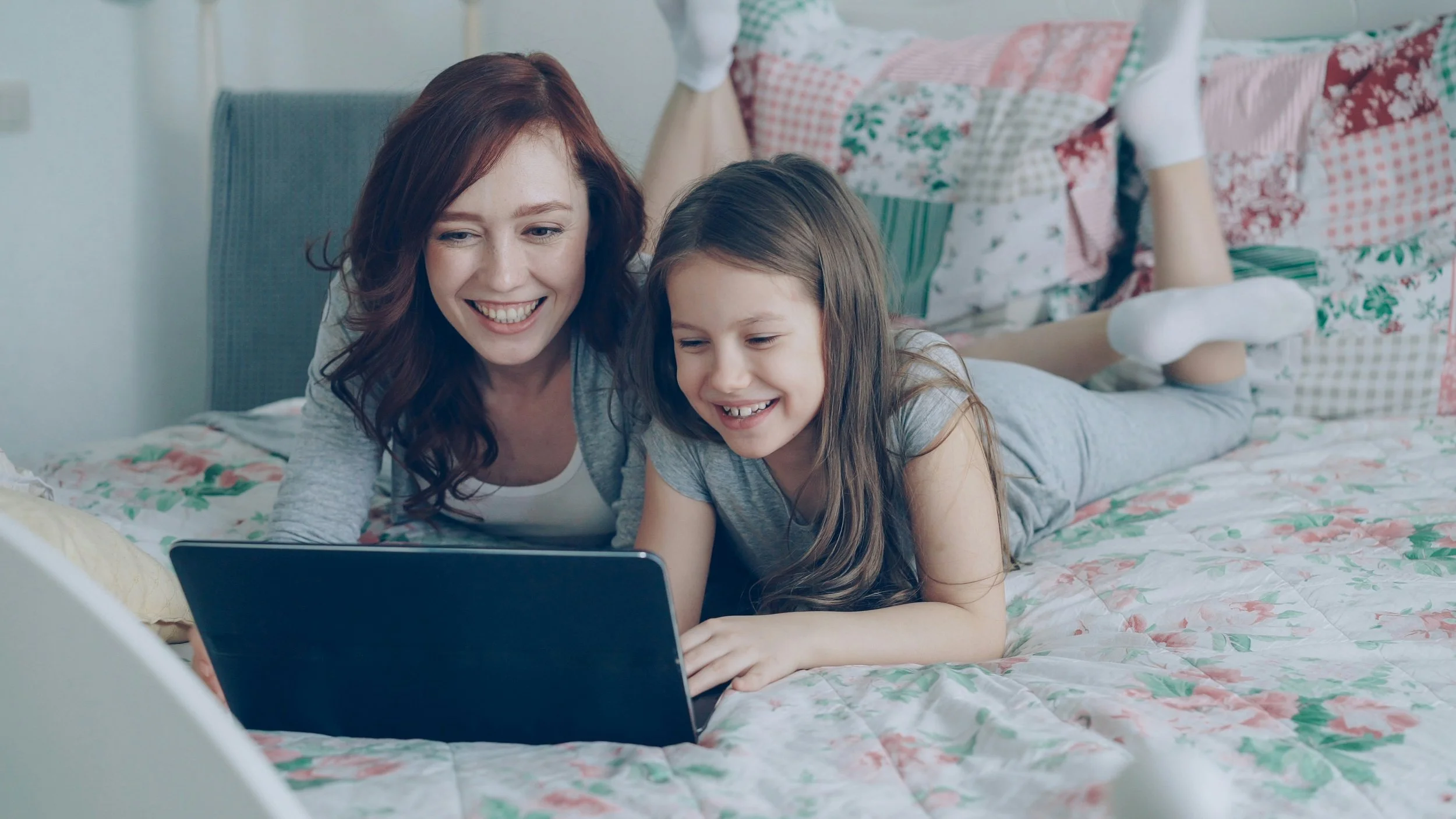
Let me tell you about some of the families who have reached out to CloudSpeech and why they chose virtual therapy.
One family drives 50 minutes each way to an in-person clinic. Their child with Childhood Apraxia of Speech has a meltdown every single time they try to get him in the car. Not because he doesn't want therapy. Because the commute itself is dysregulating — and he arrives at the clinic already spent.
Another family stays in the city two or three evenings a week to attend therapy before fighting traffic home. They don't get back until 7pm. Homework hasn't been started. Dinner hasn't happened. Everyone is exhausted. The therapy is good — but the cost to the whole family is unsustainable.
A third family lives in a rural part of Texas where there is no SSD specialist within two hours. Their child has a significant R error at age nine. They were told to wait. They waited. Nothing changed.
These are not edge cases. These are the families in my inbox.
For each of them, the barrier wasn't access to a screen. The barrier was geography, time, and frequency.
Teletherapy didn't replace good therapy. It made good therapy possible.
The Frequency Problem
Here's something I want every parent to understand.
For most speech sound disorders — R errors, lisps, phonological patterns, and especially Childhood Apraxia of Speech — research consistently supports therapy two to three times per week for meaningful, lasting progress.
Once a week produces results. But slowly. And inconsistently.
Twice a week is where most children start to make the kind of progress that carries over into real life — into the classroom, onto the playground, into conversations with people who aren't their therapist.
Most families I talk to are doing once a week. Not because they don't care. Because twice a week means four sessions a month, plus two round trips per session, plus waiting room time, plus a child who is already tired from a full school day.
Virtual therapy changes that calculation entirely.
A child can attend speech therapy at 4pm on a Tuesday from their bedroom floor in their favorite pajamas while their parent makes dinner downstairs.
No car. No waiting room. No meltdown. No choosing between therapy and homework. No arriving depleted before the session even starts.
Just thirty minutes of focused, specialist-led practice — at the frequency that actually works.
The Screen Is a Window
Mr. Rogers used to say that television could be a place of violence and chaos, or it could be a place of calm and connection. The content was the difference.
The Fred Rogers Institute carries that idea forward in its work on digital wellness — the principle that technology isn't inherently harmful or helpful. What matters is the intention behind it, the relationship it supports, and what it asks of the child on the other side of the screen.
I think about teletherapy exactly the same way.
Thirty minutes of passive video consumption and thirty minutes of one-on-one speech therapy that happens to use a screen are not the same thing.
One is screen time. The other is therapy.
When your child sits down for a session at CloudSpeech, they are not watching something. They are working with someone — a clinician who is watching every sound they make, adjusting in real time, celebrating their effort, and tracking their progress session by session.
The screen is just the window. My clinic room is on the other side of it. Your child's neighborhood is right here.
Is Teletherapy Right for Every Child?
No. I want to be honest about that.
In-person therapy is excellent, and for some children — especially very young children who need tactile, sensory-rich interaction — it may be the better fit.
I focus my practice on children ages 5 and up with speech sound disorders, because that is where teletherapy shines. School-age children can engage through a screen. They're motivated. They can self-monitor. They can participate in the kind of focused, high-repetition practice that produces results.
That said — I've worked with children as young as 18 months via teletherapy with tremendous success. When the family is on board, when a parent is present and engaged, when the relationship is strong — the age matters less than the commitment.
I serve kids across all of Texas — urban, suburban, and rural. In English and in Spanish. After school and on weekends.
Because the right specialist should not be a geography problem.
What Mr. Rogers Would Think About All of This

I like to imagine that he would approve.
Not because he loved technology — I don't think he did, especially.
But because he understood that the medium is not the message. The relationship is the message. The care is the message. The consistency and the showing up — week after week, in a familiar place, with a familiar face — that is what makes children feel safe enough to do hard things.
That is what speech therapy is. And it can happen through a screen just as genuinely as it happens across a table.
Mr. Rogers walked into a television set because children were already there and he had something real to offer them.
I built CloudSpeech for the same reason.
Your child is already at home. I'll meet them there.
Ready to see if CloudSpeech is the right fit?
Book a free parent consultation →
We'll talk through your child's history, what you've tried, and what progress could realistically look like. No pressure. No commitment.
Christina Burnham, MS CCC-SLP Founder, CloudSpeech: Online Therapy cloudspeech.com | 512-765-4554