Is School Speech Therapy Enough? What to Do When Your Child Isn't Making Progress
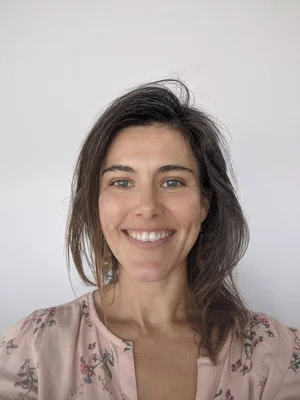
I was a school-based SLP.
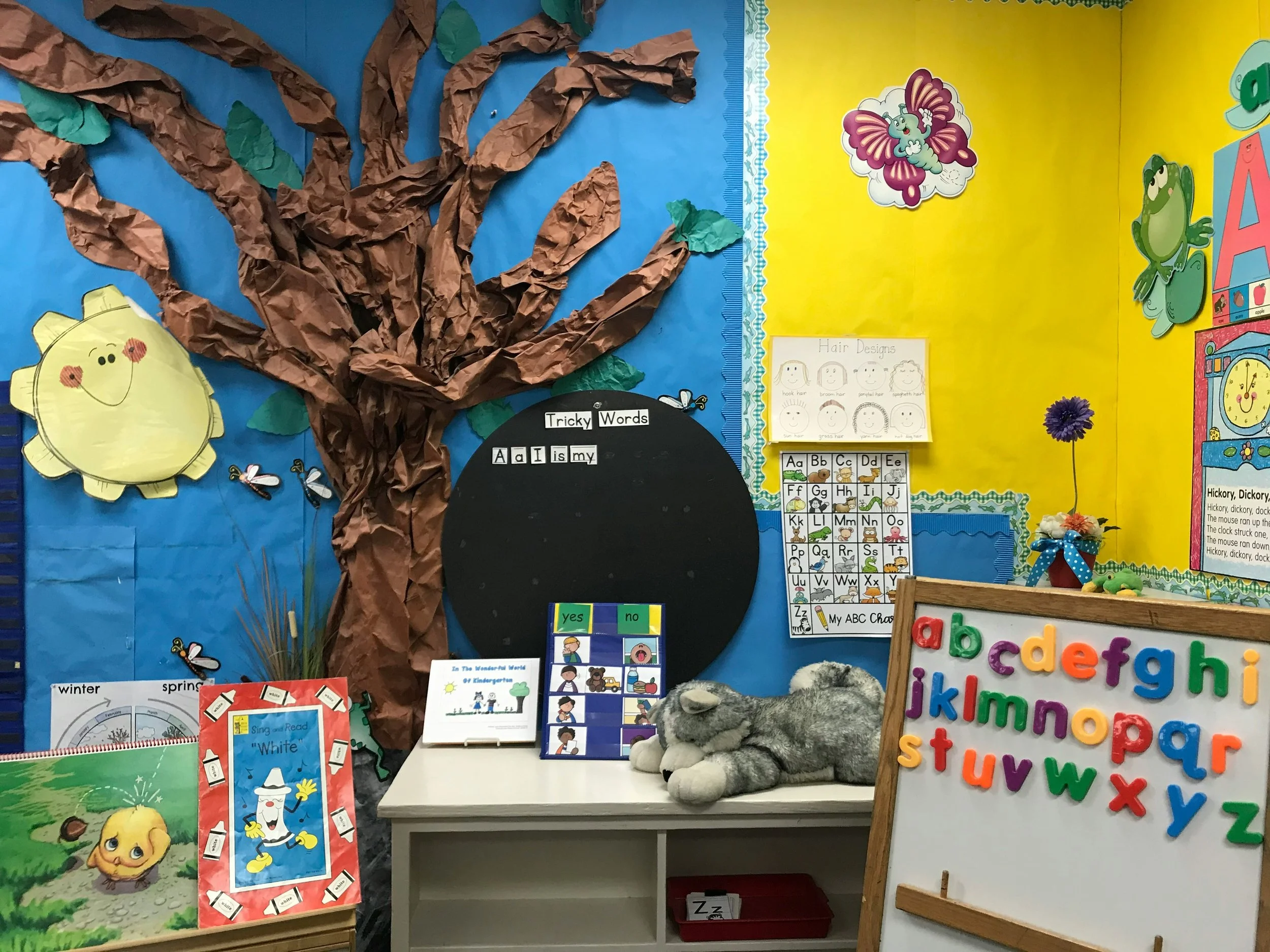
I brought seeds and dirt to therapy sessions and we planted things together. I traced handprints in green paint and we turned them into trees. We built pretend kitchens and cooked imaginary meals. We read books on the floor and made forests out of paper.
I loved that work. And the school SLPs doing it right now across Texas are working hard for their students every day.
This is not a post about them. This is a post about the system they work in — and what that system can and cannot do for your child.
What School Speech Therapy Is Designed to Do
Public school speech therapy exists under IDEA — the Individuals with Disabilities Education Act — which guarantees children with disabilities access to a free appropriate public education.
The key word is appropriate.
Not intensive. Not specialized. Not optimal. Appropriate.
That word matters, because it shapes everything about how school-based speech therapy is designed and delivered.
School SLPs are responsible for identifying, evaluating, and serving students across every area of communication need — language disorders, fluency, voice, literacy, autism, AAC, and yes, speech sound disorders.
All of it. For every child on their caseload.
The Numbers Behind the System
Here is what the research actually says about the conditions school SLPs are working in.
According to ASHA's 2024 Schools Survey, the median monthly caseload for a school-based SLP is 48 students.
Forty-eight children. One clinician.
Research has found that when caseloads reach 41 to 50 students, approximately 60% of SLPs report their caseload as unmanageable. And that number was published before the current national SLP shortage made things worse.
In Texas, about half of all school districts are experiencing a shortage of SLP professionals. That means some children have no SLP at all. Others share one SLP across multiple campuses. Others are served by a clinician who is stretched so thin that doing anything beyond basic compliance is nearly impossible.
This is not a failure of individual SLPs. This is a structural reality.
And less than 60% of a school SLP's work week is spent in direct therapy — the rest goes to IEP meetings, evaluations, documentation, and administrative work that has nothing to do with your child's progress in a session.
What This Means for Your Child
If your child has a speech sound disorder — an R error, a lisp, a phonological pattern, or Childhood Apraxia of Speech — here is what their school therapy likely looks like in practice:
Services are provided in a group. Most school-based speech therapy is delivered in small groups of 2–5 students, often with different goals across children. Your child working on R sounds may be grouped with a child working on language, and another working on fluency.
Sessions happen once a week. Sometimes twice, if your child is lucky and the SLP has the bandwidth. Research supports two to three sessions per week for meaningful progress in speech sound disorders — especially for Childhood Apraxia of Speech, where high-frequency motor practice is not optional. It is the treatment.
The SLP is a generalist. School SLPs are trained across every area of communication. That breadth is genuinely valuable — but it also means that deep specialization in complex speech sound disorders, particularly CAS, is rare. Childhood Apraxia of Speech requires a specific treatment approach — DTTC, ReST, Nuffield — that takes years of focused training and practice to deliver well. Most school SLPs were never trained in it. That is not their fault. It is a gap in the system.
Eligibility has limits. To receive school speech services, a child must qualify under IDEA criteria — meaning the disorder must impact their educational performance. Many children with persistent R errors or lateral lisps do not qualify, or lose services before they've fully resolved, because the school's threshold for "educational impact" is narrow.
The Questions Every Parent Should Ask
If your child is currently receiving school speech therapy and you're not sure whether it's enough, here are the questions worth asking at your next IEP meeting — not to blame anyone, but to understand exactly what your child is receiving and whether it matches what they need.
About the session:
- How many students are in my child's group?
- How many minutes of direct therapy is my child receiving each week?
- What specific goals are being targeted?
- What treatment approach is being used?
About the SLP:
- Does the SLP have specialized experience with my child's specific diagnosis?
- For CAS specifically: what motor-based treatment approaches is the SLP trained in?
About progress:
- What does the data show about my child's progress over the last six months?
- At the current rate of progress, when do you expect my child to meet their goals?
- If progress has stalled, what has been tried?
These are fair questions. A good school SLP will welcome them. And the answers will tell you a great deal about whether school therapy alone is the right plan for your child.
When School Therapy Is Enough
I want to be honest here too.
For many children, school speech therapy is exactly what they need.
A child with a mild language delay who responds quickly to intervention and makes steady progress in a group setting may not need anything more.
A child with a simple frontal lisp at age four, served by a skilled SLP with a reasonable caseload, may resolve beautifully without ever needing private therapy.
School therapy serves an enormous number of children well. This is not an argument against it.
When It Isn't Enough
But there are children for whom the school model — through no fault of the SLP — cannot provide what they actually need.
Those children tend to look like this:
The child who has been in school speech therapy for two or more years without meaningful progress. Something is not working. It might be the approach. It might be the frequency. It might be that the disorder is more complex than the school setting is equipped to address. Whatever the reason — two years without progress is a signal worth taking seriously.
The child with Childhood Apraxia of Speech. CAS is a motor speech disorder that requires intensive, specialized, movement-based treatment. The school model — group sessions, once a week, generalist approach — is structurally misaligned with what CAS treatment actually requires. Many children with CAS are misdiagnosed or underdiagnosed in school settings, and spend years in therapy that doesn't target the underlying motor programming deficit.
The child with a persistent R error at age 7, 8, 9, or older. Current research places R acquisition at ages 5 to 6 — not 8 or 9. Children who are still struggling with R at school age need targeted, high-frequency, specialist-led articulation therapy. The school model was not built to deliver that.
The child who doesn't qualify for school services but clearly needs help. If your child has a lateral lisp that will never self-correct, or an R error that is affecting their confidence and social communication — but doesn't meet the school's eligibility threshold — they are not going to receive the help they need through the public school system. Private therapy is the path.

What Private Specialist Therapy Offers
Private speech therapy is not the same thing as school speech therapy delivered differently.
It is a fundamentally different model.
One clinician. One child. Sessions two to three times per week — or more, during intensive cycles. A specialist whose entire clinical focus is the disorder your child has. No IEP eligibility criteria. No group sessions. No competing priorities in the room.
For the right child, the difference in outcomes is not subtle.
A Note on Virtual Therapy
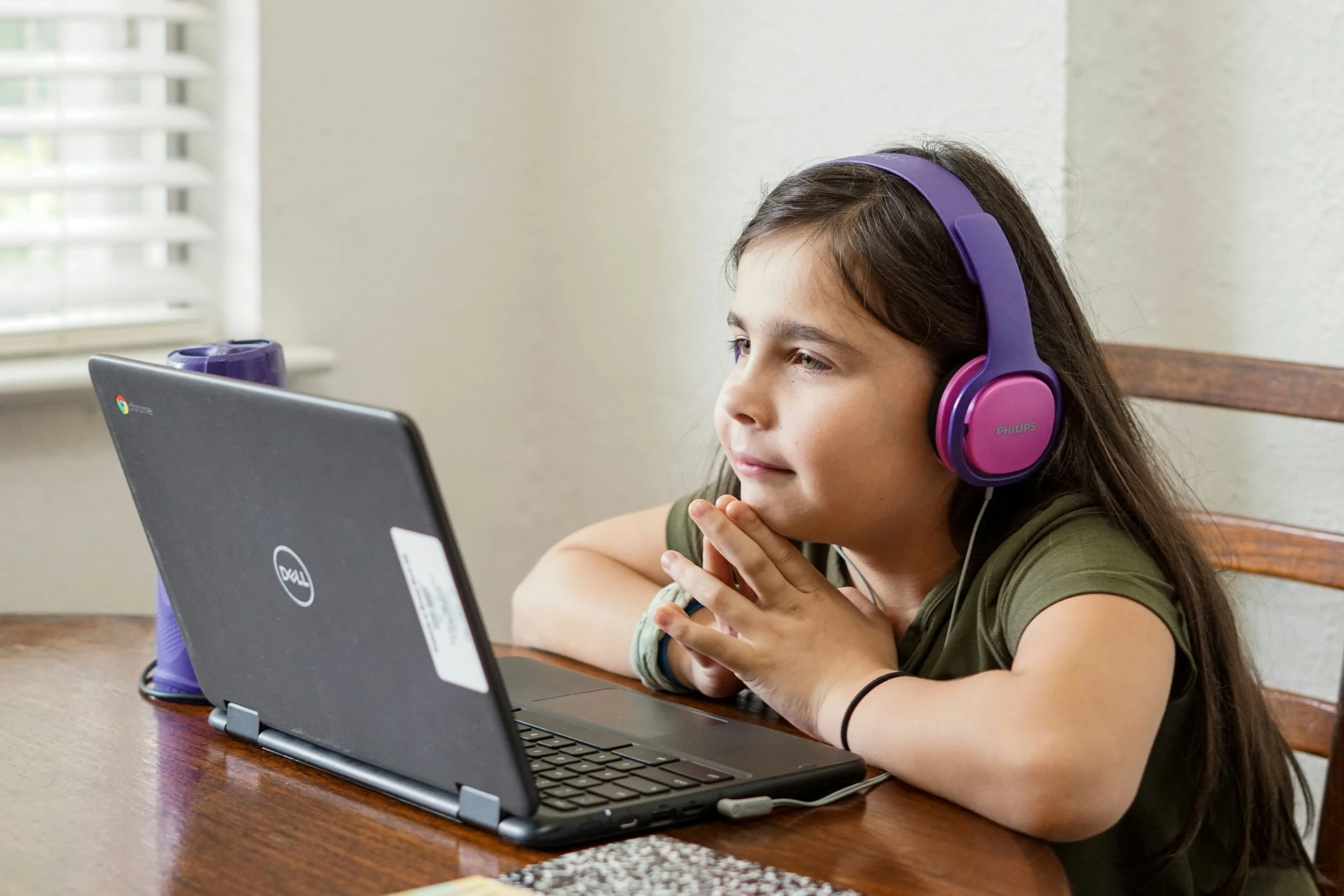
One question I hear from parents considering private therapy is whether virtual sessions are as effective as in-person.
For children ages 5 and up with speech sound disorders, the evidence is clear: teletherapy works.
It also solves the frequency problem that makes private therapy feel impossible for many families.
A child who attends speech therapy twice a week from home — no commute, after school, in their own comfortable environment — can receive the high-frequency specialist care their disorder requires without turning family life upside down.
That is not a compromise. For the right child and the right family, it is the better option.
What I Want Parents to Take Away
School SLPs are not failing your child. The school system has structural limitations that make certain kinds of care impossible to deliver regardless of how skilled or dedicated the clinician is.
Understanding those limitations is not about blame. It is about making informed decisions for your child.
If your child has been in school speech therapy and isn't making the progress you hoped for — ask the questions. Look at the data. Consider whether a specialist could offer something the school setting cannot.
Your child does not have to choose between school support and private therapy. Many families do both — and find that the combination produces results that neither alone could achieve.
If you're not sure where to start, I'm happy to talk. A free parent consultation is always the first step.
Christina Burnham, MS CCC-SLP Founder, CloudSpeech: Online Therapy cloudspeech.com | 512-765-4554